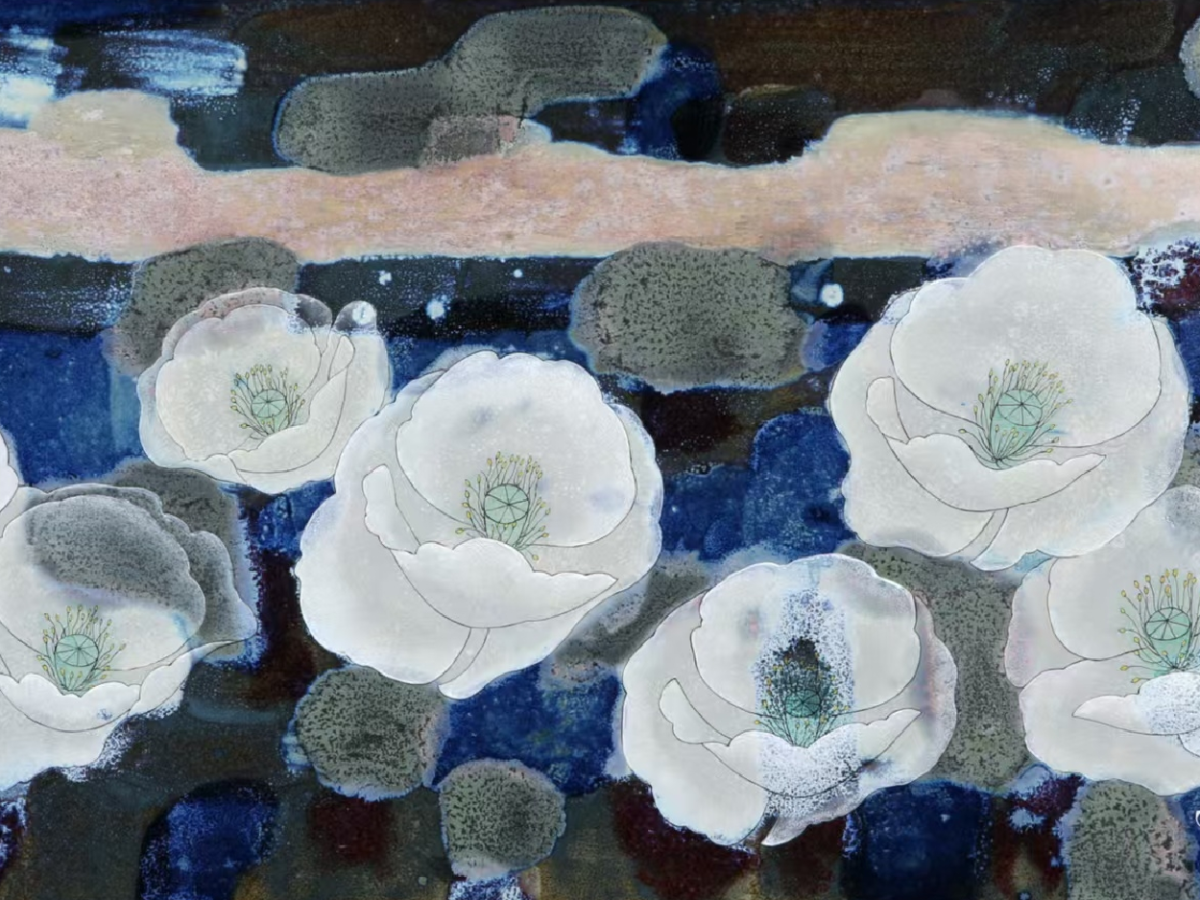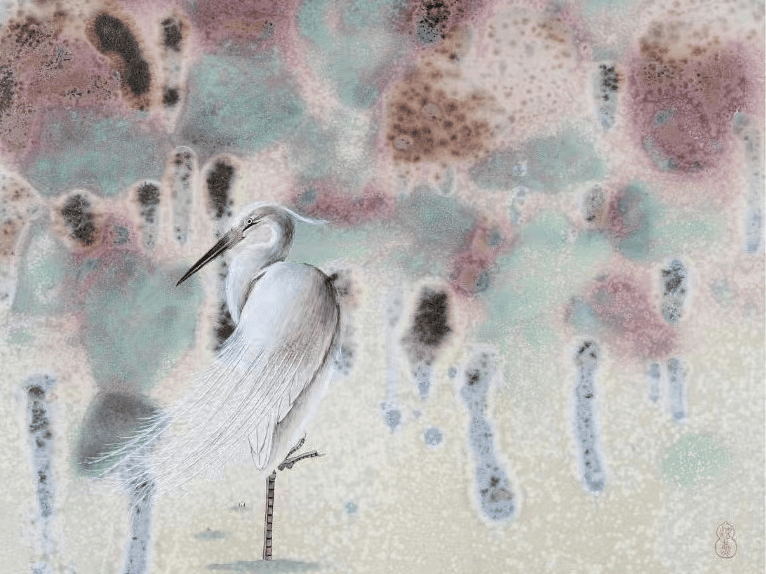
Terracotta figure constitutes a impressive work type with a vast legacy, extending back numerous of generations. From ancient canisters to current placements, the resource offers unmatched possibilities for creative representation. Builders employ multiple techniques – including assembling, wheel operating, and sophisticated firing processes – to convert humble soil into pleasing three-dimensional works. The longevity of fired earthenware also contributes to its status as a truly timeless part of human custom.
Researching Ceramic Panel Styles and Procedures
The area of ceramic badge design offers a considerable array of resourceful possibilities. Artists often utilize a combination of time-honored and cutting-edge techniques to construct visually stunning pieces. These can vary from simple, crafted reliefs to complex, multi-layered formulations. Conventional methods include pattern casting, forming by hand, coating application – which can involve diverse modes like underglaze painting, post-firing embellishment, and engraved motif where designs are disclosed by abrading a layer of finish. More investigation into top layers such as raku and lustering can produce truly unique and bespoken terracotta tablets.
- Pattern Casting - Producing pieces using a shaped form
- Hand Building - Directly shaping the mud
- Surface Finishing - Spreading the face with a glass-like finish
- Carved drawing - Showing designs by taking away coatings
Fascinating Experiences: Terracotta Art Displays
The evolving landscape of culture presents exciting cutting-edge avenues for audiences, and ceramic art installations are at the summit of this revolution. These aren't just static forms; they are fabricated to envelop the viewer in a sensory experience. Imagine venturing into a forest of towering, polished ceramic trees, or navigating a maze of sensitive ceramic vessels. Many designers are now incorporating sound, brightness, and even scent to enhance the vibe of their work. Envision the power of a room filled with hundreds of hand-built ceramic pieces, each telling a narrative. Traditionally, such installations investigate themes of flora and fauna, history, and the individual.
- These particular installations blur the divisions between statue and structure.
- Interacting with a ceramic art installation can be a deeply meaningful journey.
- Producers are expanding the extents of what is attainable with clay.
Any Grace of the Terracotta Pot: Utility and Form
The pottery receptacle represents a lovely amalgamation of practicality and expressive appeal. Historically, these canisters served a essential mission in keeping materials, but their advancement has transformed them into highly valued works of art. Each object showcases the mastery of the potter, demonstrating how structure can be as noteworthy as function. The precise shaping, the individual glazes, and the aggregate presence of a finely-produced jar can boost a space, offering both beauty and a understated reminder of the maker’s hand.
Contemporary Clay Creation : Testing Boundaries
Current earthenware figure represents a fascinating transformation from traditional practices. Makers are energetically challenging with modern procedures, blurring the distinctions between artwork and separate imaginative areas. From immense installations to ornate miniature pieces, these works investigate themes of culture while concurrently revolutionizing the nature of what stoneware can become. The effect is a active environment of inspired presentation.
Terracotta Panel: Conserving Chronicle in Terracotta
Terracotta plaques offer a uncommon method for capturing significant events and characters. As opposed to traditional metal or stone markers, these lasting pieces of work are formed from baked clay, creating a concrete link to the bygone era. Often, they feature intricate figures or beautifully Travel Cup rendered imagery, portraying stories that might otherwise be neglected. That technique, coming from ancient societies, provides a aesthetically pleasing and unfading way to acknowledge our collective heritage.
- Those can be installed in public spaces.
- Scores of are now acknowledged historical objects.
Clay Art Installations: Shifting Venues
Clay art installations are emerging a impactful medium for craftsmen to reshape public and private environments. These immersive installations frequently involve monumental clay sculptures that absorb viewers, altering their perception of the assembled environment. By adopting diverse techniques like hand fabrication and sophisticated firing methods, ceramic artists develop truly remarkable experiences, breaking down the separations between sculpture and setting. The outcome is often a touching shift that strengthens the stylistic quality of the space and develops dialogue.
Commencement Potter's Wheel to Wonder: The Method of the Ceramic Jar
The journey of a ceramic jar from a simple lump of terracotta to a refined work of production is a testament to human inventiveness. Classicall, the process commences with the potter’s rotary device, where the talented artisan carves the rotating earth into a cylindrical design. This early part demands precision and a sharp eye, followed by a delicate strengthening period. Once partially baked, the jar is ready for decoration, which may feature illustrating intricate patterns, etching detailed illustrations, or applying a selection of layers. The definitive baking process then converts the artifact into a durable and beautiful container, a tangible expression of the builder's vision.
Modeling with Stoneware: A Primer to Ceramic Creation
Investigating the area of brick art begins with knowing the principles of crafting with porcelain. This method entails meticulously incorporating and chiseling volume to create three-dimensional forms. Whether you're a newcomer or a skilled artisan, exploring with multiple categories of porcelain – notably pottery – will promote you locate your unique style. Ultimately, ceramic sculpting is a rewarding journey that combines technical skill with creative expression.