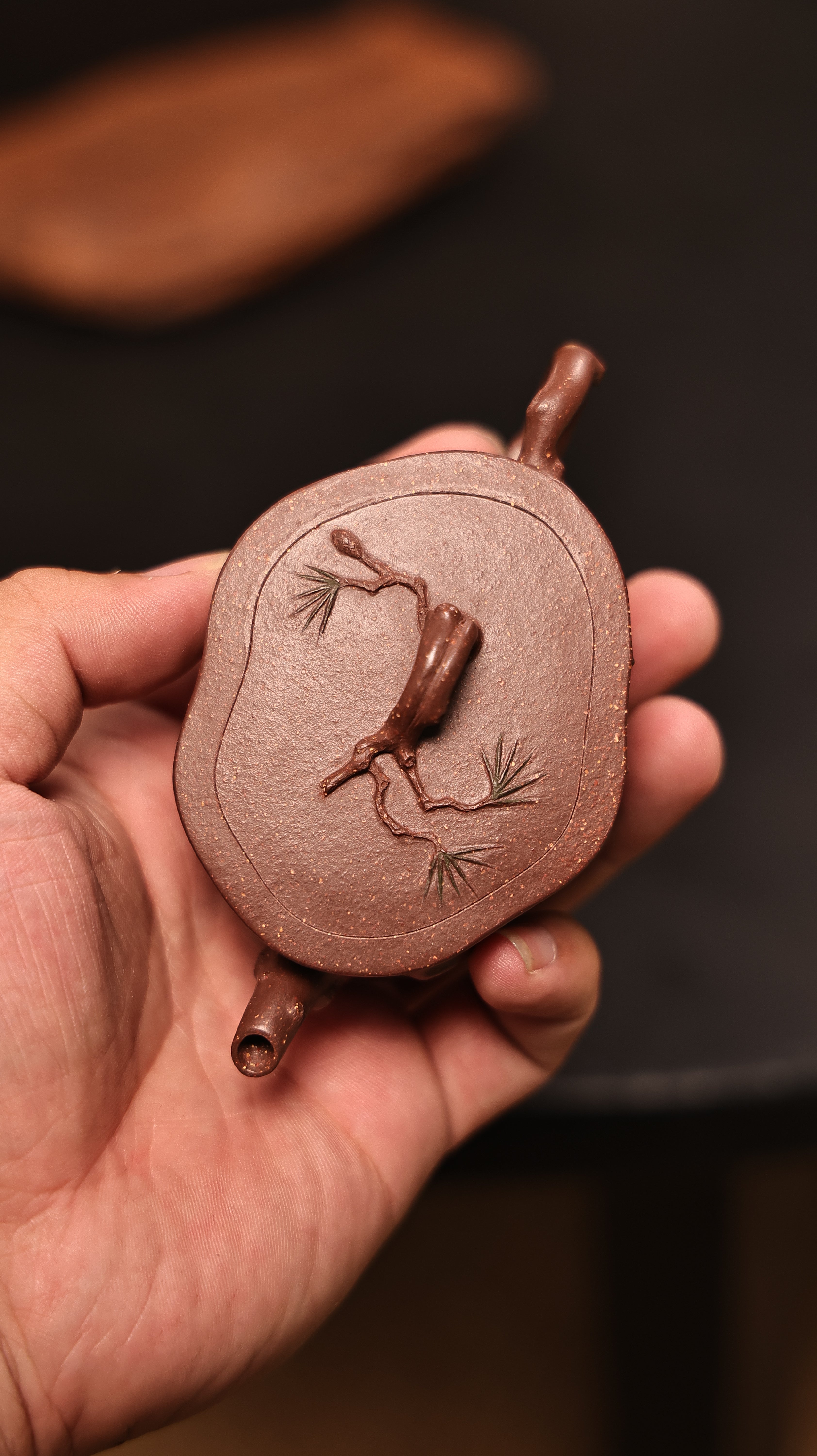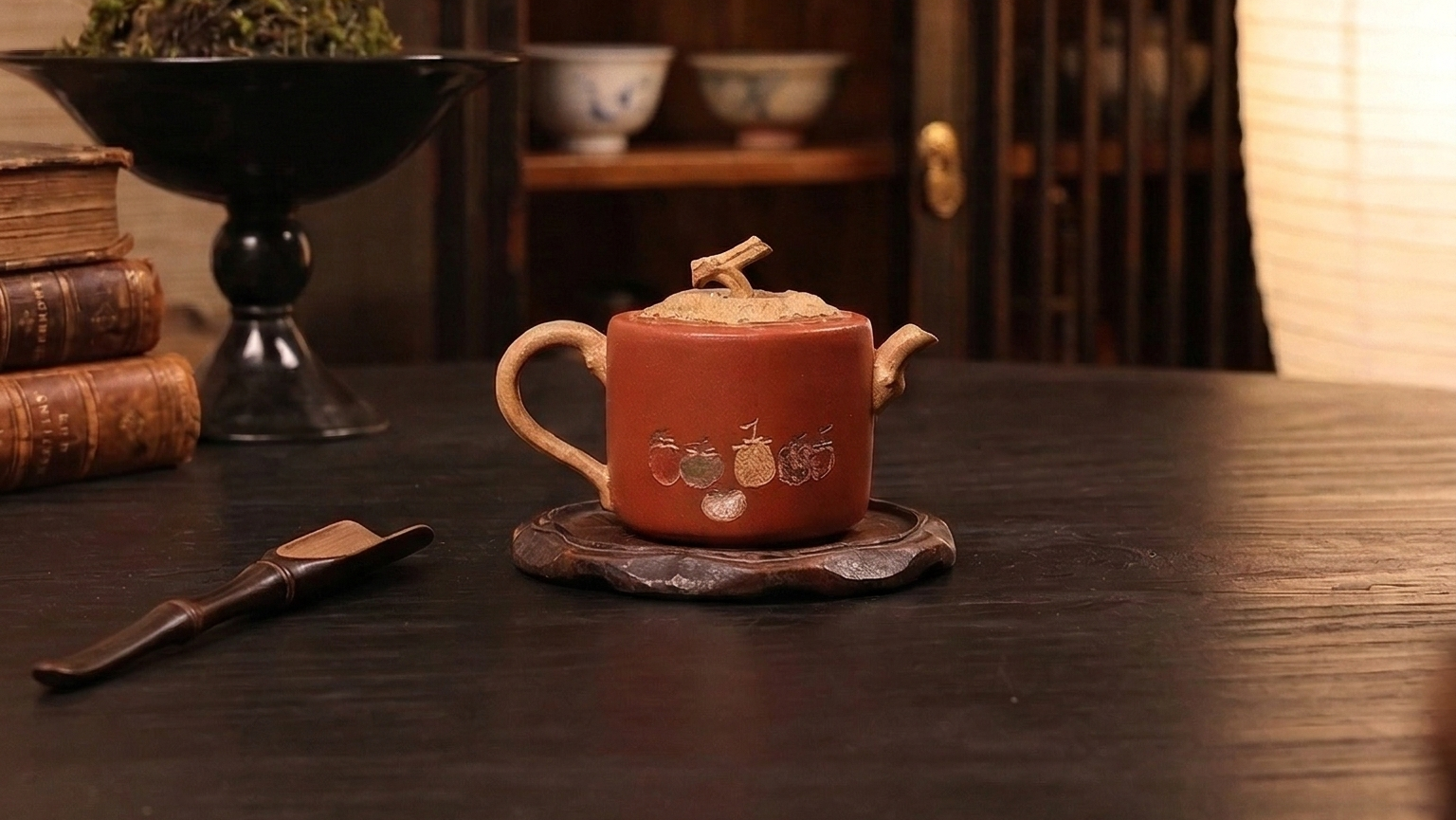
Millennia of collectors have sought the exclusive enchantment of Yixing Zisha teapots. Rooted in the small town of Yixing, the country, these teapots are made from a rare and collected purple clay acknowledged for its notable thermal traits and capability to improve the flavor of potions. Outside of their effective worth, Zisha teapots represent a lasting customary background, causing them highly admired and a legitimate find for any dedicated teapot devotee.
Discovering Yixing Earthenware
Yixing teapots display a unusual blend of history and experienced craftsmanship. Hailing in Yixing, Jiangsu Region of China, their narrative commences in the Ming Dynasty, although signs suggest earlier iterations. The rare maroon clay, called Zisha, found solely in the Yixing region, is the principal component, contributing to the pots' outstanding heat maintenance and the manner they shape the aroma of tea. Sequences of potters have developed techniques—often passed down through families—including crafting the clay, applying intricate embellishments, and firing the pots at consistent temperatures.- In the past, Yixing teapots were often trimmed with simple designs.
- Eventually, more ornate carvings and representative motifs became popular.
- The heat treatment itself is a fundamental element, requiring considerable time of expertise.
Collecting Zisha Teapots: Crucial Checkpoints
Initiating a campaign to acquire Zisha kettles can be rewarding, but it’s vital to discern what to examine. Authenticity is fundamental; focus on the potter’s natural cast, a subtle reddish-brown is characteristic. Examine the consistency; genuine Zisha has a unique tactile sensation, often explained as slightly unequal. The shape should be appealing and consistent with established styles, while signatures, if present, require meticulous examination for accuracy. Don’t hesitate to consult with seasoned specialists or respected sources – their expertise is irreplaceable.
Oriental Teapots: Discovering the Legacy of original Pottery
Centuries have seen Yixing Purple Clay teapots retain a distinguished role in Chinese custom. These artfully designed pots, sourced uniquely from the district of Yixing, are acclaimed for their characteristic complexion, texture, and their ability to enhance the taste of infusions. Countless collectors value antique Yixing teapots, treasuring them considerably not only for their aesthetic beauty, but also for the background they stand for.
Yixing Zisha Teapots: Distinguished Choice Sorts and Their Details
Yixing Ceramics teapots, developed in the traditional province of Yixing, the land, are well-known for their uncommon clay and first-rate brewing features. In the diverse Zisha types, specific categories that are highly prized include Binzhou Purple Sand. Binzhou, known for its deep purple shade and sleek texture, delivers a moderate flavor. Duan Ni form, recognizable by its coppery color and a little grainy feel, is thought to enhance a heft. Lastly, Zhuni sort boasts an scarce scarlet tone and can impart a savory nuance. Each class delivers a different experience, facilitating them notably desirable with beverage enthusiasts.
Perfecting Unique Clay Kettle
To tap into the capability of your Yixing vessel, understanding the correct means is critical. These clay containers, celebrated for their openness, will continually develop the nature of the tea you infuse within them. Begin by washing the urn thoroughly with heated water. Then, use only high-quality fresh leaf tea, as lower quality options can affect the pot’s delicate notes. Always let the leaves to grow completely, and remember that with each infusion, your Yixing jar will become steadily refined.
Sustaining Your Precious Zisha Relic
Proper attention for your Yixing Zisha Teapot Zisha urn is vital to sustaining its longevity and price. Zisha clay, recognized for its unique nuance and feel, requires delicate handling. Never use intense soaps, as these can ruin the surface. After every brewing, rinse the jar with lukewarm water and allow it to evacuate moisture completely.
- Sidestep soaking the kettle for extended stretches.
- Periodically use a soft piece of cloth to refresh the exterior.
- Contemplate applying a thin layer of food-grade ointment inside the kettle after drying, which can curb staining.
Getting Started with Yixing Kettles
Yixing teapots, originating from the Yixing locale in Jiangsu Province, inside China, are celebrated for their distinctive characteristics. Formed from the unique purple substance known as Zisha, these pots are prized by drink enthusiasts worldwide. This handbook will neatly explain the basics – covering kinds of Zisha dirt, favored shapes, and essential care guidance. Understanding the tradition of Yixing kettles can heighten your appreciation for this traditional example of Eastern craftsmanship.
Technique of Asian Teapots: Focusing on Zisha made in this city of Yixing
Zisha substance from the Yixing territory represents the height of Yuan vessel design, showing a exclusive compound of elemental beauty and valuable artistry. These celebrated pieces are renowned for their rich color schemes, often spanning intense purples and red hues to soft greys and light beiges. The distinct mineral composition of the native Zisha material imparts a defining texture and yields a desirable aroma that boosts the total infusion experience, causing them extremely desired collectibles and vital components of any serious brew.