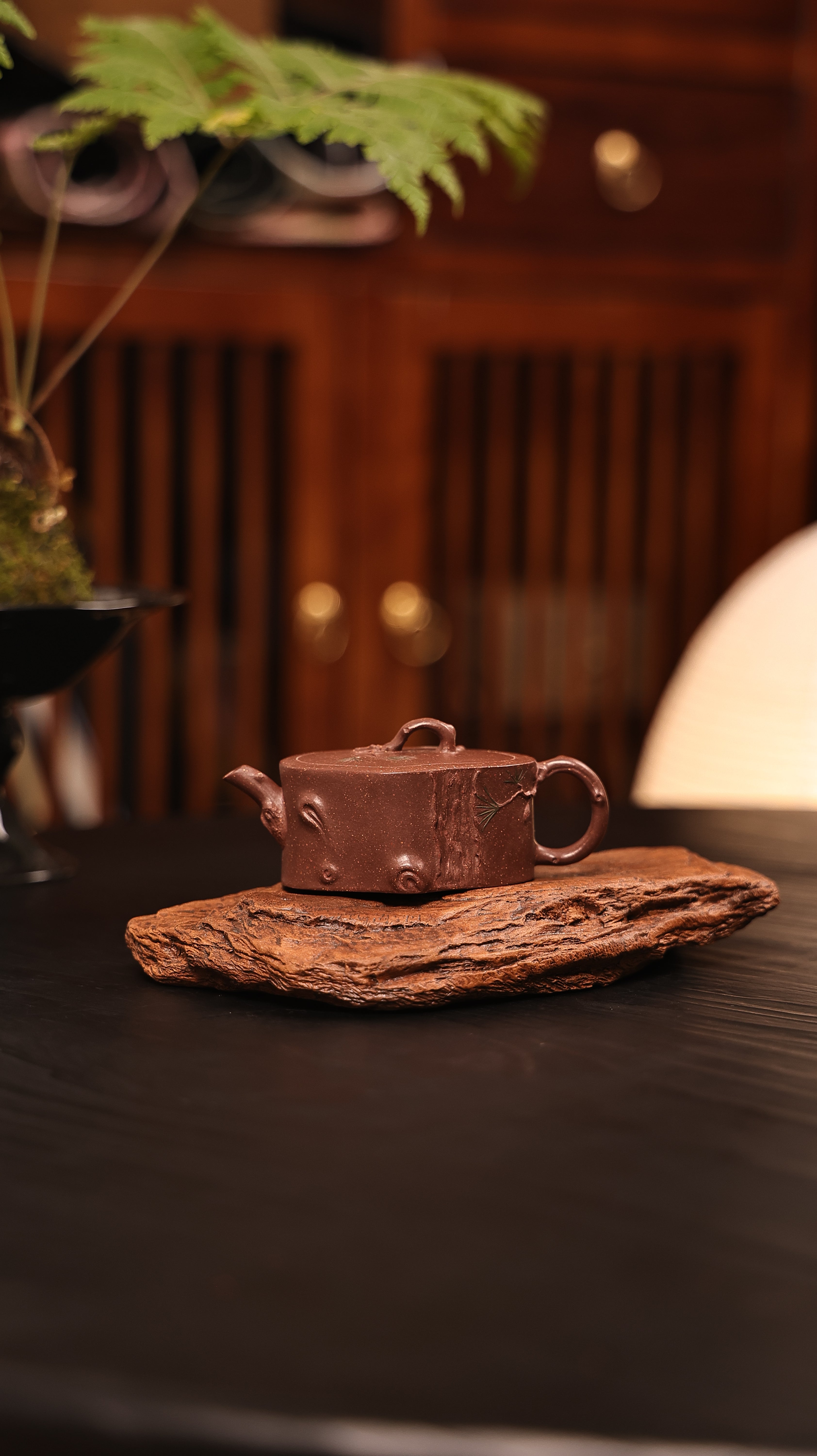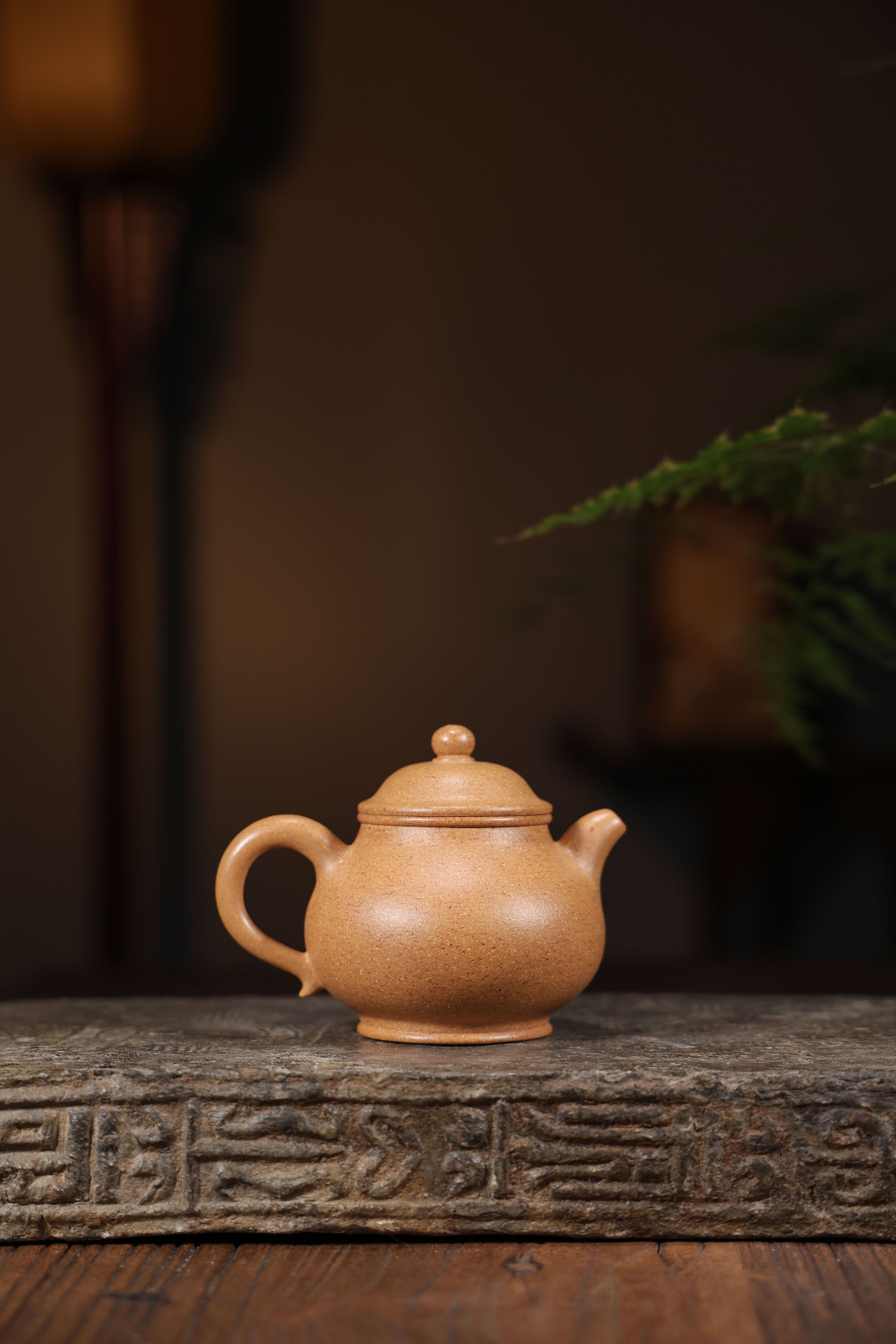
Periods of connoisseurs have sought the exclusive attraction of Yixing Zisha vessels. Originating in the small town of Yixing, the republic, these teapots are crafted from a exotic and harvested purple clay esteemed for its superior thermal attributes and capacity to enhance the note of liquids. More than their practical significance, Zisha teapots exemplify a extensive historical heritage, fashioning them greatly valued and a bona fide marvel for any devoted teapot enthusiast.
Uncovering Yixing Ware
These teapots highlight a extraordinary blend of history and masterful craftsmanship. Founded in Yixing, Jiangsu Province of China, their narrative commences in the Ming Dynasty, although traces suggest earlier manifestations. The exceptional auburn clay, called Zisha, found exclusively in the Yixing region, is the fundamental component, contributing to the pots' exceptional heat sustaining and the manner they alter the taste of tea. Dynasties of potters have refined techniques—often conveyed through families—including molding the clay, applying exquisite embellishments, and firing the pots at controlled temperatures.- Historically, Yixing teapots were often enhanced with simple designs.
- Subsequently, more detailed carvings and pictorial motifs became prevalent.
- The heat treatment itself is a fundamental element, requiring considerable time of experience.
Accumulating Zisha Teapots: Key Guidelines
Setting out on a pursuit to assemble Zisha earthenware can be enjoyable, but it’s imperative to grasp what to inspect. Authenticity is paramount; focus on the material’s natural pigment, a gentle reddish-brown is usual. Examine the texture; genuine Zisha has a unique tactile sensation, often noted as slightly grainy. The design should be attractive and consistent with classic styles, while maker’s marks, if present, require careful examination for genuineness. Don’t hold back to consult with professional collectors or trusted resources – their understanding is critical.
The Earthenware: Understanding the History of Yixing Purple Clay
Years have seen Yixing Yixing Clay teapots sustain a remarkable role in Chinese history. These artfully designed pots, sourced uniquely from the zone of Yixing, are distinguished for their specific shade, texture, and their ability to enhance the taste of Yixing Teapot infusions. Countless collectors value antique Yixing teapots, treasuring them profoundly not only for their aesthetic loveliness, but also for the records they express.
Yixing Zisha Teapots: Distinguished Choice Selections and Their Aspects
Ming Clay teapots, native to the celebrated section of Yixing, the state, are distinguished for their exclusive clay and remarkable brewing powers. Amongst the many Zisha types, certain sorts that are highly treasured include Baiwei. Binzhou, known for its vivid purple shade and soft texture, delivers a subtle flavor. The Duan Ni type, recognizable by its reddish color and partially grainy feel, is viewed to enhance the fullness. Lastly, The Zhuni type boasts an peculiar vermilion tone and can provide a pleasant nuance. Each breed yields a special experience, rendering them considerably desirable between infusion enthusiasts.
Brewing Perfection Specific Earthenware Vessel
To unlock the capability of your Yixing vessel, knowing the correct means is crucial. These clay pots, celebrated for their texture, will incrementally take on the quality of the tea you make within them. Begin by rinsing the container thoroughly with warm water. Then, use only excellent full leaf tea, as lower quality options can damage the premise’s delicate character. Always give the leaves to spread completely, and remember that with each serving, your Yixing container will become more distinct.
Maintaining Your Rare Zisha Artifact
Proper support for your Zisha kettle is imperative to extending its durability and worth. Zisha clay, acclaimed for its unique coloration and makeup, requires delicate handling. Never use caustic detergents, as these can injure the covering. After every infusion, rinse the pitcher with lukewarm water and allow it to evaporate completely.
- Avoid soaking the pot for extended lengths.
- Periodically use a soft cleanser cloth to wipe the exterior.
- Weigh applying a thin layer of food-grade lubricant inside the urn after drying, which can minimize staining.
Basics of Yixing Clay Pots
Yixing containers, originating from the Yixing province in Jiangsu Province, located in China, are celebrated for their distinctive properties. Fabricated from the unique purple earth known as Zisha, these kettles are prized by potion enthusiasts worldwide. This summary will simply explain the core elements – covering sorts of Zisha matrix, common shapes, and vital care suggestions. Understanding the roots of Yixing jars can improve your appreciation for this esteemed example of Far Eastern folklore.
Trade of Asian Clay Pots: Concentrating on Zisha found in this city of Yixing
Zisha compound from the Yixing territory represents the height of Yuan vessel design, showing a singular amalgamation of raw beauty and effective artistry. These famous pieces are esteemed for their dynamic tints, often encompassing profound purples and rust hues to subtle greys and muted beiges. The salient mineral composition of the local Zisha clay imparts a noteworthy texture and renders a gratifying aroma that amplifies the full concoction experience, contributing to them significantly cherished collectibles and necessary components of any serious ritual.