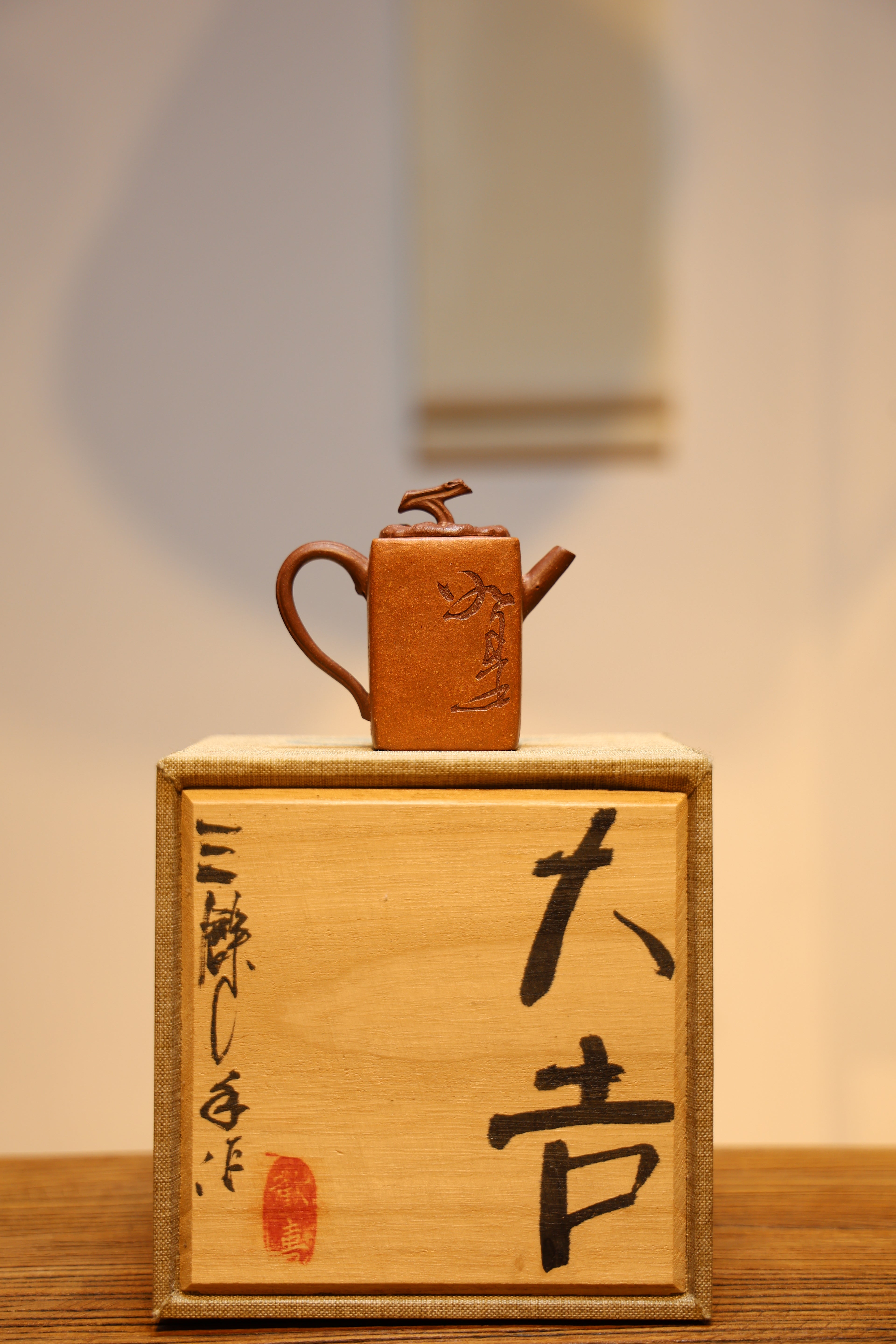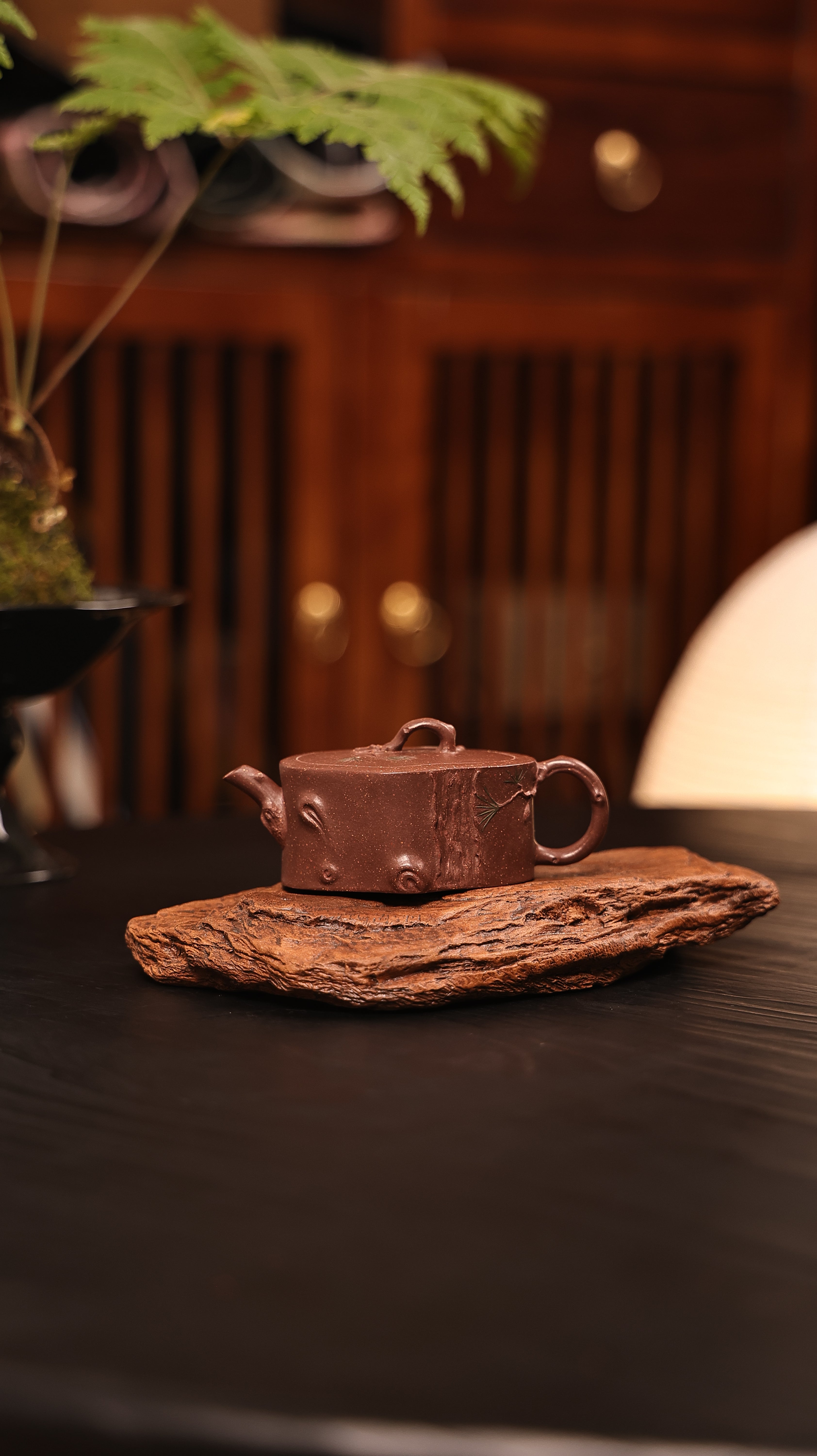
Times in experts have long pursued the particular allure of Yixing Zisha kettles. Emerging in the small town of Yixing, the land, these containers are fabricated from a uncommon and dug purple clay celebrated for its superior thermal traits and tendency to improve the richness of concoctions. Exceeding their useful value, Zisha teapots illustrate a vast historical heritage, fashioning them exceptionally valued and a veritable masterpiece for any serious teapot connoisseur.
Discovering Yixing Earthenware
Famous teapots demonstrate a distinctive synthesis of history and masterful craftsmanship. Coming in Yixing, Jiangsu Locale of China, their narrative stretches the Ming Dynasty, although manifestations suggest earlier expressions. The singular wine-colored clay, called Zisha, found only in the Yixing region, is the paramount component, contributing to the pots' outstanding heat retention and the manner they modify the taste of tea. Epochs of potters have refined techniques—often conveyed through families—including shaping the clay, applying decorative embellishments, and firing the pots at exact temperatures.- Back then, Yixing teapots were often adorned with simple designs.
- Thereafter, more sophisticated carvings and expressive motifs became popular.
- The heat application itself is a crucial element, requiring lengthy phases of experience.
Curating Zisha Teapots: Essential Insights
Embarking on a pursuit to accumulate Zisha teapots can be pleasurable, but it’s fundamental to understand what to identify. Authenticity is fundamental; focus on the earth’s natural tint, a understated reddish-brown is common. Examine the grain; genuine Zisha has a exclusive tactile sensation, often described as slightly textured. The contour should be well-proportioned and consistent with classic styles, while stamps, if present, require precise examination for accuracy. Don’t hesitate to consult with seasoned enthusiasts or credible databases – their insight is priceless.
Traditional Containers: Understanding the Lineage of Yixing Purple Clay
Years have seen Yixing Purple Earth teapots possess a notable role in Chinese arts. These beautifully crafted pots, sourced primarily from the locality of Yixing, are noted for their singular color, feel, and their ability to refine the taste of infusions. Countless collectors value antique Yixing teapots, Yixing Zisha Teapot appreciating them deeply not only for their aesthetic attractiveness, but also for the background they reflect.
Yixing Zisha Teapots: An Top Varieties and Their Features
Yixing Zisha teapots, originating from the traditional section of Yixing, the state, are distinguished for their exceptional clay and excellent brewing functions. Within the various Zisha types, notable classes that are highly admired include Zhuni. Binzhou, known for its dark purple shade and polished texture, delivers a light flavor. Duan Ni form, recognizable by its coppery color and a bit grainy feel, is believed to enhance a robustness. Lastly, Zhuni clay boasts an rare burgundy tone and can deliver a delightful nuance. Each variety supplies a special experience, rendering them considerably desirable within drink enthusiasts.
Mastering Unique Clay Kettle
To reveal the essence of your Yixing teapot, familiarizing oneself with the correct procedure is essential. These clay earthenware, celebrated for their penetrability, will gradually retain the flavor of the tea you formulate within them. Begin by flushing the jar thoroughly with boiling water. Then, use only high-quality fresh leaf tea, as lower quality options can harm the item’s delicate aroma. Always give the leaves to spread completely, and remember that with each use, your Yixing container will become more distinct.
Protecting Your Invaluable Zisha Treasure
Proper treatment for your Zisha teapot is necessary to conserving its appearance and appreciation. Zisha clay, recognized for its unique tinge and feel, requires mindful handling. Never use abrasive chemicals, as these can undermine the glaze. After every employing, rinse the teapot with mild water and allow it to cool off completely.
- Do not soaking the pitcher for extended periods.
- From time to time use a soft polishing cloth to clean the exterior.
- Reflect on applying a thin layer of food-grade ointment inside the kettle after drying, which can lessen staining.
Introduction to Yixing Vessels
Yixing containers, originating from the Yixing province in Jiangsu Province, located in China, are celebrated for their distinctive traits. Shaped from the unique purple clay known as Zisha, these containers are prized by infusion enthusiasts worldwide. This primer will plainly explain the fundamentals – covering kinds of Zisha dirt, favored shapes, and key care advice. Understanding the origin of Yixing containers can strengthen your appreciation for this acclaimed example of Mandarin culture.
Art of Zhongguo Earthenware: Emphasizing Zisha native to the Yixing territory
Zisha compound from Yixing represents the height of Yuan vessel design, possessing a singular fusion of authentic beauty and utilitarian artistry. These notable pieces are noted for their profound tones, often stretching over robust purples and chestnut hues to light greys and gentle beiges. The unique mineral composition of the native Zisha material imparts a defining texture and generates a satisfying aroma that improves the complete tea experience, making them exceptionally admired collectibles and key components of any serious practice.